
 Brian Dương
#What Is Cashew Nut W240? Comparison with Other Cashew Nuts
What Is Cashew Nut W240? Comparison with Other Cashew Nuts
27/05/2025 -
Nội dung bài viết
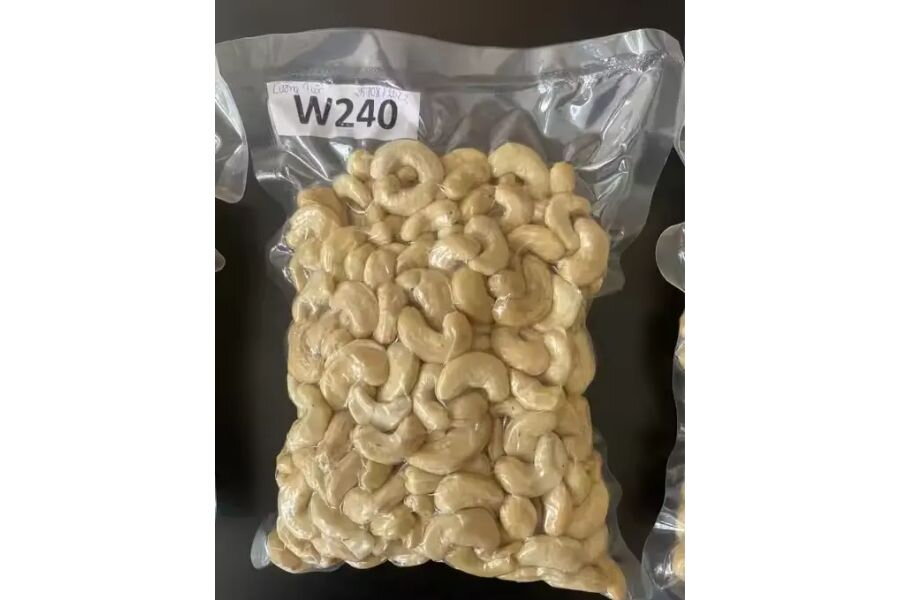
Cashew nuts are a favorite snack and culinary ingredient enjoyed worldwide for their rich, buttery flavor and creamy texture. Among the various grades of cashew nuts, Cashew Nut W240 holds a special place due to its balance of size, quality, and cost-effectiveness. This article explores what cashew nut W240 is, its characteristics, and how it compares to other cashew grades, helping consumers and buyers make informed choices.
Understanding Cashew Nut Grading
Cashew nut grading is essential for standardizing quality and pricing. The grading is primarily based on kernel size, wholesomeness, and overall quality.
-
W indicates Whole cashew kernels, meaning the nuts are intact, not broken.
-
The number following W refers to the approximate count of kernels per pound.
So, W240 means approximately 240 whole cashew kernels per pound.
What Is Cashew Nut W240?
Cashew nut W240 is a medium-sized whole kernel grade that offers excellent value for both consumers and manufacturers.
Key Characteristics of Cashew Nut W240
-
Size: Kernels typically measure around 18 to 20 millimeters in length.
-
Quantity: Approximately 240 kernels per pound.
-
Shape: Kidney-shaped and curved.
-
Color: Creamy white to ivory, indicating good quality.
-
Texture: Firm and crunchy when roasted.
-
Quality: Usually free from significant defects, though may include minor blemishes compared to higher grades.
Comparison with Other Cashew Nut Grades
1. W180
-
Size: Larger kernels (21-23 mm), about 180 per pound.
-
Comparison: W180 is bigger and generally considered more premium.
-
Use: Preferred for retail snacking and gourmet products.
-
Price: Higher than W240 due to size and perceived quality.
2. W210
-
Size: Slightly larger kernels (19-21 mm), around 210 per pound.
-
Comparison: W210 falls between W180 and W240 in size and price.
-
Use: Suitable for snacking, cooking, and processing.
-
Price: Moderately priced between W180 and W240.
3. W320 and Smaller Grades
-
Size: Smaller kernels with 320 or more per pound.
-
Comparison: Less premium, often used in processed foods.
-
Use: Ideal for cashew butter, pastes, or mixed nut products.
-
Price: More economical but less appealing for whole nut consumption.
4. Splits and Butts
-
Description: Halves (splits) and smaller broken pieces (butts).
-
Use: Used in mixed nuts, confectionery, and processed products.
-
Price: Generally less expensive.
Uses of Cashew Nut W240
-
Roasted Snacks: Popular for their crunchy texture and affordability.
-
Culinary Applications: Used in stir-fries, curries, salads, and baked goods.
-
Processing: Ground into cashew butter or used in food manufacturing.
-
Exports: Widely traded due to its cost-effectiveness and consistent quality.
Choosing Quality Cashew Nut W240
-
Visual Appearance: Uniform size, creamy color, minimal defects.
-
Fresh Aroma: Should have a nutty scent without rancidity.
-
Texture: Firm and crunchy, not soft or stale.
-
Reputable Supplier: Ensures consistent quality and proper handling.
Storage Recommendations
-
Store in airtight containers away from moisture.
-
Keep in a cool, dry environment, away from direct sunlight.
-
Refrigerate in warm climates to maintain freshness.
-
Avoid exposure to strong odors.
Conclusion
Cashew nut W240 is a versatile medium-sized whole kernel grade offering a balance between size, quality, and price. When compared to other grades like W180, W210, and smaller kernels or splits, W240 provides excellent value for various applications, from snacking to food processing. Understanding the distinctions between grades helps consumers and businesses select cashew nuts that best fit their needs.
Learn more: Cashew Nut W240
TVQuản trị viênQuản trị viên
Xin chào quý khách. Quý khách hãy để lại bình luận, chúng tôi sẽ phản hồi sớm