
 Brian Dương
#What is Cashew Shell? What is it Used For?
What is Cashew Shell? What is it Used For?
27/05/2025 -
Nội dung bài viết
- 1. What is a Cashew Shell?
- 2. What is Cashew Shell Used For?
- 3. Environmental and Economic Benefits
- 4. Safety and Handling Considerations
- 5. Commercial Grades and Exports
- 6. Conclusion
The cashew nut is well-known and loved for its buttery flavor, rich nutrition, and culinary versatility. However, many people are unaware that the cashew shell, which encases the edible nut, plays a significant role in various industrial and sustainable applications. Far from being a useless byproduct, cashew shells are now a valuable resource, especially in sectors focusing on bioenergy, chemicals, and eco-friendly materials.
In this article, we explore what a cashew shell is, its composition, and how it is used across different industries worldwide.
What is a Cashew Shell?
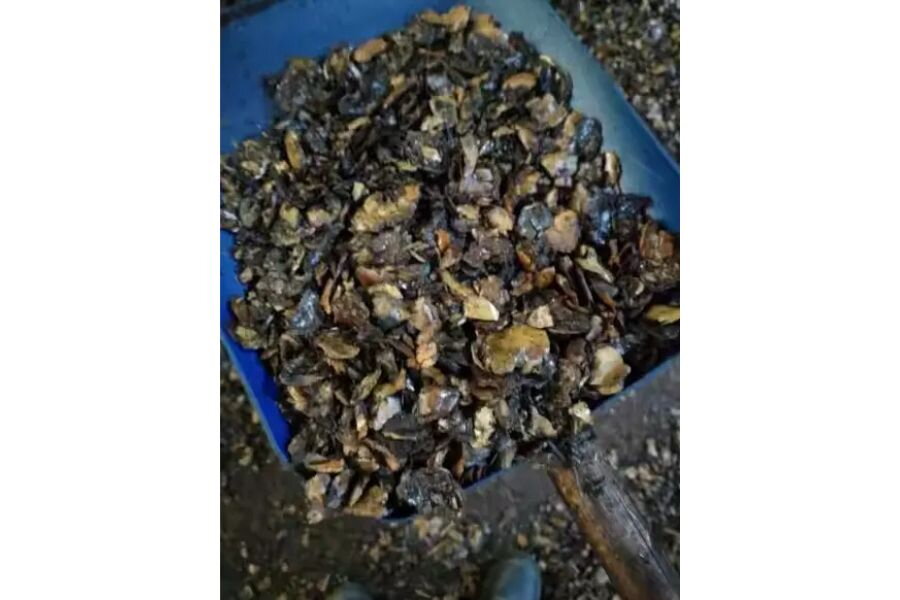
A cashew shell is the tough outer layer that surrounds the cashew kernel. It is part of the cashew fruit but is discarded during nut processing. Despite being inedible due to its toxic compounds, the shell itself contains a unique substance called Cashew Nut Shell Liquid (CNSL).
What is CNSL?
CNSL is a dark, oily liquid found between the inner and outer layers of the cashew shell. It is rich in phenolic compounds like:
-
Anacardic acid
-
Cardanol
-
Cardol
-
Methyl cardol
These compounds are highly valuable due to their chemical reactivity, thermal resistance, and antioxidant properties, making CNSL a prized raw material for industrial applications.
What is Cashew Shell Used For?
Cashew shells are no longer discarded as agricultural waste. Instead, they are repurposed into a wide variety of industrial, energy, and agricultural products. Here's a detailed look at the most important uses:
1. Industrial Applications
a. Resin and Coating Production
CNSL is a prime ingredient in high-performance resins used for:
-
Paints and varnishes
-
Protective coatings
-
Laminates
-
Waterproofing chemicals
These CNSL-based products are prized for their corrosion resistance, durability, and adhesion to metal surfaces, making them ideal for marine and automotive industries.
b. Friction Materials
Cashew shell liquid is used in manufacturing:
-
Brake pads
-
Clutch facings
-
Disc brake linings
Its heat tolerance and binding properties help these materials perform under extreme conditions.
c. Adhesives and Sealants
CNSL-derived compounds improve the strength and flexibility of:
-
Construction adhesives
-
Rubber-based sealants
-
Wood glues
They are also more environmentally friendly compared to petroleum-derived resins.
d. Rubber Compounding
In the rubber industry, CNSL is used as a softener and plasticizer. It enhances elasticity, extends product life, and reduces reliance on synthetic chemicals.
2. Biofuel and Energy Generation
Cashew shells have become a reliable source of renewable energy in many developing countries.
a. Direct Combustion
Dried shells can be burned directly in specially designed boilers or furnaces to generate heat for industrial operations.
b. Gasification
Cashew shells can be converted into syngas (a fuel gas mixture) used to generate electricity for rural or off-grid areas.
c. Bio-oil Production
Through a process called pyrolysis, cashew shells are transformed into bio-oil, an alternative fuel used in generators and industrial burners.
Fun Fact: In some countries, CNSL is refined into liquid biofuel, making it a promising substitute for fossil fuels in certain sectors.
3. Agricultural Applications
Cashew shell residue and ash from combustion are repurposed as:
a. Organic Fertilizer
-
The ash is high in potassium and phosphorus, improving soil health and supporting plant growth.
-
Shells can also be composted after detoxification.
b. Pesticides and Plant Protectants
Thanks to its natural toxicity, CNSL is sometimes used in natural pesticides and fungicides to protect crops without harsh chemicals.
4. Antimicrobial and Medicinal Research
Recent studies have shown that anacardic acid in CNSL exhibits antibacterial, antifungal, and antioxidant activity. Though still in early research phases, this could lead to applications in:
-
Topical treatments
-
Cosmetics
-
Antimicrobial coatings for medical devices
Environmental and Economic Benefits
Using cashew shells creates a win-win for the environment and the economy.
Environmental Benefits
-
Waste Reduction: Minimizes agricultural waste and landfill use.
-
Carbon Neutrality: Biofuel from shells produces fewer greenhouse gases.
-
Sustainable Materials: Replaces toxic chemicals with bio-based alternatives.
Economic Benefits
-
Increased Farmer Income: Cashew processors can now profit from shell byproducts.
-
Job Creation: Shell-processing industries open up employment in rural areas.
-
Import Substitution: Countries reduce dependency on imported synthetic chemicals.
Safety and Handling Considerations
Unprocessed cashew shells contain urushiol, the same irritant found in poison ivy. Therefore:
-
Raw shells should not be handled without protective gear
-
Processing involves heat treatment to neutralize toxins
-
Shells must never be used directly in cooking or as livestock feed
Commercial Grades and Exports
CNSL and processed cashew shells are exported globally in various forms:
-
Raw CNSL
-
Distilled CNSL (cardanol-rich)
-
Friction-grade shell powder
-
Biofuel pellets from shells
Major cashew-producing countries like Vietnam, India, Ivory Coast, and Brazil are also leading exporters of cashew shell products.
Conclusion
The cashew shell may not be edible, but its value in industry, agriculture, and energy is undeniable. From creating high-performance coatings and adhesives to powering homes and factories, this humble byproduct is a powerhouse of potential.
Its increasing use across industries reflects a global shift toward sustainability, zero-waste agriculture, and bio-based economies. The next time you enjoy a cashew nut, remember that its shell too is working silently behind the scenes—to fuel, protect, and innovate our world.
Learn more: Cashew Shell
TVQuản trị viênQuản trị viên
Xin chào quý khách. Quý khách hãy để lại bình luận, chúng tôi sẽ phản hồi sớm