
 Brian Dương
#What Is Broken Rice? Comparison with Other Types of Rice
What Is Broken Rice? Comparison with Other Types of Rice
27/05/2025 -
Nội dung bài viết
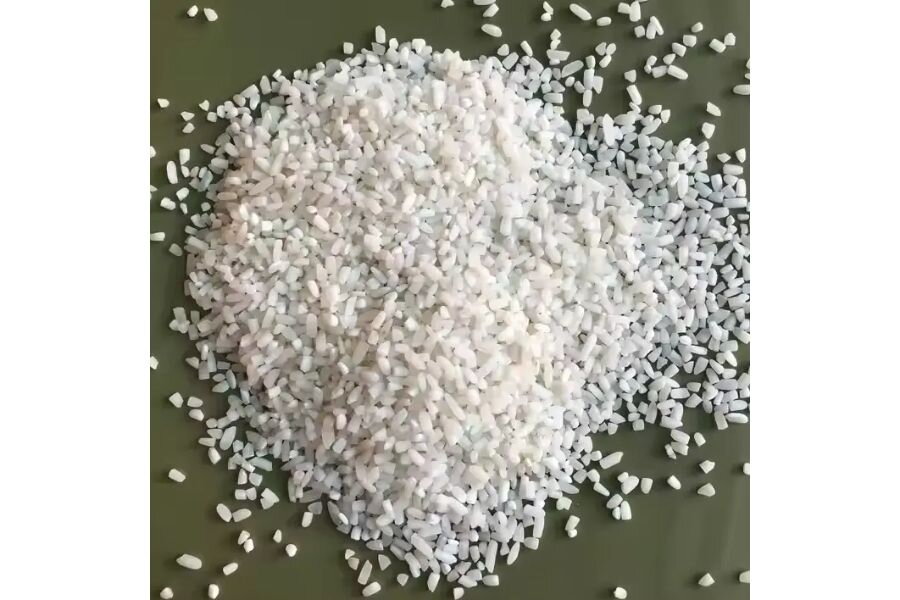
Broken rice is a type of rice consisting of fragments of grains that have been fractured during harvesting, processing, or milling. While often overlooked or considered inferior to whole grain rice, broken rice possesses unique qualities that make it valuable in various cuisines worldwide. Particularly popular in Southeast Asia, including Vietnam, broken rice offers affordability, distinctive texture, and culinary versatility. This article explains what broken rice is and compares it with other common types of rice to highlight its special characteristics.
Understanding Broken Rice
Broken rice is produced as a byproduct of rice milling, where whole grains crack or break into smaller pieces. These fragments are then sorted and packaged separately. Broken rice can come from any rice variety, including aromatic jasmine, basmati, or standard white rice.
Characteristics of Broken Rice
-
Size and Shape: Fragments of rice grains, typically smaller than whole rice kernels.
-
Texture: Cooks softer and stickier than whole grain rice due to the smaller grain size and increased surface area.
-
Flavor Absorption: Enhanced ability to absorb sauces and flavors, enriching dishes.
-
Cooking Time: Cooks faster because of the reduced grain size.
-
Affordability: Generally more economical than whole rice grains.
Why Use Broken Rice?
Despite being broken, this rice variant offers several advantages:
-
Cost-Effectiveness: Provides an affordable alternative without significant compromise on taste or nutrition.
-
Culinary Uses: Ideal for dishes where softer, more cohesive rice texture is preferred.
-
Cultural Relevance: Integral in traditional dishes in Vietnam, West Africa, and parts of Asia.
-
Nutritional Value: Retains nutritional qualities similar to the parent rice variety.
Comparison with Other Types of Rice
To understand broken rice better, it is useful to compare it with other popular rice types.
Broken Rice vs. Whole Grain Rice
-
Appearance: Whole grain rice has intact grains; broken rice consists of fragments.
-
Texture: Whole grain rice tends to be firmer; broken rice is softer and stickier.
-
Cooking: Broken rice cooks faster and requires less water.
-
Price: Broken rice is typically less expensive.
-
Use: Whole grain rice is preferred for fluffy dishes; broken rice suits creamy or porridge-like recipes.
Broken Rice vs. Jasmine Rice
-
Origin: Jasmine rice is a fragrant whole grain rice, while broken rice can be from jasmine or other varieties.
-
Texture: Jasmine rice is soft and fluffy; broken rice is softer and stickier.
-
Flavor: Jasmine rice has floral aroma; broken rice absorbs surrounding flavors well.
-
Use: Jasmine rice for steamed or fried rice; broken rice for traditional Vietnamese dishes like cơm tấm.
Broken Rice vs. Basmati Rice
-
Grain Length: Basmati rice grains are long and slender; broken rice is fragmented.
-
Aroma: Basmati is aromatic and nutty; broken rice’s aroma depends on the original variety.
-
Texture: Basmati cooks fluffy and separate; broken rice is softer.
-
Price: Basmati is generally premium priced; broken rice is budget-friendly.
Broken Rice vs. Sticky (Glutinous) Rice
-
Texture: Sticky rice is very adhesive; broken rice is soft but less sticky.
-
Use: Sticky rice is used in desserts and certain dishes; broken rice is used in steamed or fried rice dishes.
-
Grain: Sticky rice grains are round and whole; broken rice is fragmented.
Culinary Uses of Broken Rice
Broken rice is widely used in various cuisines for its texture and affordability:
-
Vietnamese Cơm Tấm: A popular dish of broken rice served with grilled pork, egg, and pickled vegetables.
-
Rice Porridge: Broken rice makes smooth and creamy porridges in several Asian cultures.
-
Rice Flour: Ground broken rice is used to make rice flour for noodles, cakes, and snacks.
-
West African Jollof Rice: Sometimes incorporates broken rice for its soft texture.
-
Comfort Food: Its soft texture makes it ideal for babies, elderly, and those with digestive issues.
Cooking Tips for Broken Rice
-
Rinse Well: Remove excess starch for better texture.
-
Adjust Water Ratio: Use slightly less water compared to whole grain rice.
-
Monitor Cooking Time: Shorter cooking time to prevent overcooking.
-
Avoid Stirring: To maintain grain integrity.
-
Pair with Sauces: Broken rice’s texture complements flavorful sauces.
Nutritional Profile
Broken rice shares nutritional qualities with the whole rice it originates from:
-
High in carbohydrates for energy.
-
Low fat content.
-
Gluten-free and easy to digest.
-
Contains some protein and minerals.
-
Nutritional content depends on the original rice variety and milling process.
Conclusion
Broken rice, despite being a byproduct, is a valuable and versatile rice type appreciated worldwide for its affordability, texture, and culinary uses. Compared to whole grain rice, jasmine, basmati, and sticky rice, broken rice offers a softer, creamier experience that enhances many traditional dishes. Its popularity, especially in Vietnamese cuisine, showcases its importance beyond mere economics, embodying cultural richness and culinary adaptability.
Learn more: Broken Rice
Xem thêm: https://foods.be5.com.vn/gao-thom-st24/
TVQuản trị viênQuản trị viên
Xin chào quý khách. Quý khách hãy để lại bình luận, chúng tôi sẽ phản hồi sớm