
 Brian Dương
#What Is Vietnamese Short Grain Rice? Which Countries Does It Sell Well In?
What Is Vietnamese Short Grain Rice? Which Countries Does It Sell Well In?
27/05/2025 -
Nội dung bài viết
- 1. Understanding Vietnamese Short Grain Rice
- 2. Cultivation of Vietnamese Short Grain Rice
- 3. Culinary Uses of Vietnamese Short Grain Rice
- 4. Why Is Vietnamese Short Grain Rice Popular Globally?
- 5. Countries Where Vietnamese Short Grain Rice Sells Well
- 6. Factors Driving Strong Sales in These Markets
- 7. Conclusion
Vietnamese short grain rice is a distinctive and important variety of rice that plays a vital role in Vietnamese cuisine and agriculture. Known for its unique texture and culinary versatility, it has become a popular rice type not only within Vietnam but also in global markets. This article delves into what Vietnamese short grain rice is, its characteristics, and the countries where it enjoys significant demand and sales.
Understanding Vietnamese Short Grain Rice
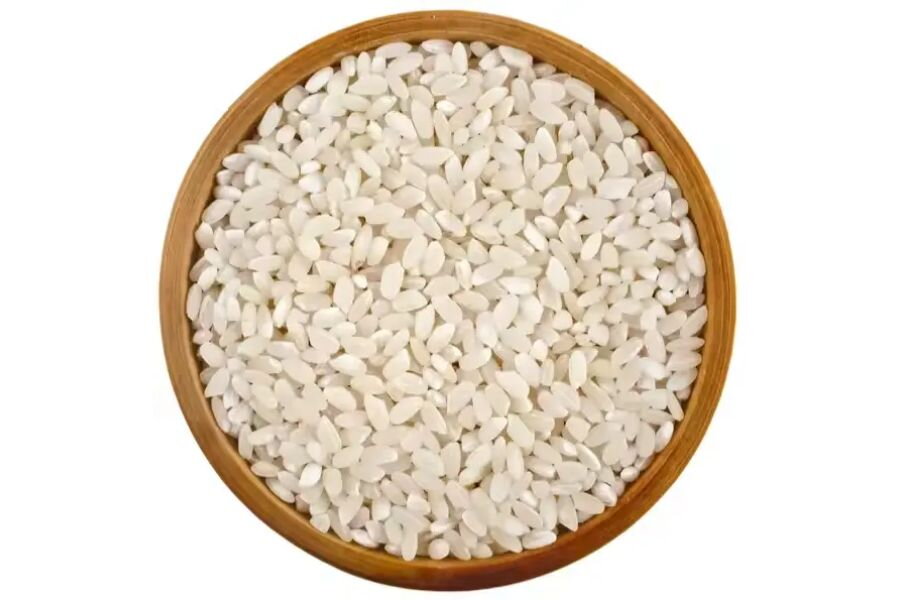
Vietnamese short grain rice is characterized by its short, round, and plump grains. Unlike long grain rice, short grain rice has a higher starch content, particularly amylopectin, which results in a sticky texture once cooked. This stickiness makes it ideal for various traditional dishes and cooking styles.
Key Characteristics
-
Short and plump grains: The grains are typically almost round and noticeably shorter than other rice types.
-
Sticky texture: When cooked, the grains adhere to each other, creating a sticky and chewy consistency.
-
Opaque appearance: The grains are often less translucent than long grain rice and can have a slightly milky or pearly color.
-
Mild flavor: It has a subtle, natural sweetness that enhances many dishes.
-
Nutritional value: Provides a good source of carbohydrates, energy, and essential nutrients.
Cultivation of Vietnamese Short Grain Rice
Vietnamese short grain rice is mainly cultivated in the northern regions and some parts of the Mekong Delta, where the soil and climate conditions favor its growth.
-
Red River Delta: Known for producing high-quality short grain varieties used in traditional northern Vietnamese cuisine.
-
Mekong Delta: Some sticky rice varieties here also fall under the short grain category.
-
Farming practices: Combination of traditional methods and modern agricultural techniques ensures quality and yield.
Vietnamese farmers pay particular attention to water management, planting times, and harvesting to preserve the grain quality essential for sticky rice.
Culinary Uses of Vietnamese Short Grain Rice
The sticky, cohesive texture of Vietnamese short grain rice makes it an indispensable ingredient in a variety of dishes, especially in Vietnamese cultural and festive foods.
-
Sticky Rice (Xôi): Often served with savory toppings like pork, mung beans, or sweet toppings like coconut and sugar. It is a common breakfast or snack food.
-
Rice Cakes (Bánh): Such as bánh chưng and bánh tét, traditional Tet (Lunar New Year) dishes made using sticky rice combined with pork and beans.
-
Rice Porridge (Cháo): Short grain rice creates a creamy and hearty porridge.
-
Desserts: Used in sweet rice balls and other traditional sweets.
-
Versatile use: Popular in Asian cuisines worldwide due to its sticky texture, ideal for dishes like sushi and rice dumplings.
Why Is Vietnamese Short Grain Rice Popular Globally?
Several factors contribute to the global popularity of Vietnamese short grain rice:
-
Unique Texture: The stickiness and chewiness appeal to consumers looking for authentic sticky rice experience.
-
Cultural Significance: Used extensively in Vietnamese festivals and traditions, enhancing its cultural value.
-
Versatility: Suitable for both savory and sweet dishes, fitting many culinary needs.
-
Nutritional Benefits: A good source of energy and gluten-free, it is suitable for various dietary requirements.
-
Increasing Global Awareness: Vietnamese cuisine’s rising international popularity fuels demand for authentic ingredients, including short grain rice.
Countries Where Vietnamese Short Grain Rice Sells Well
Vietnamese short grain rice enjoys strong demand and good sales in various international markets. The following countries are notable for their appreciation and import of this rice variety:
1. China
-
China is a significant importer of Vietnamese rice, including short grain varieties.
-
The texture and flavor of Vietnamese sticky rice fit well with Chinese culinary traditions, especially in southern provinces where sticky rice dishes are common.
-
Demand is driven by both domestic consumption and use in the food industry.
2. The Philippines
-
The Philippines imports considerable quantities of Vietnamese short grain rice.
-
Sticky rice is popular in Filipino cuisine for various traditional delicacies and everyday meals.
-
Vietnam’s proximity and competitive pricing make it a favored supplier.
3. Malaysia and Singapore
-
Both countries have diverse populations with strong Southeast Asian culinary influences.
-
Vietnamese short grain rice is widely used in homes and restaurants.
-
Its popularity is linked to the shared culinary heritage and demand for quality sticky rice.
4. African Countries
-
Nations like Nigeria, Ghana, and South Africa import Vietnamese rice, including short grain varieties, to meet growing food demands.
-
The affordability and consistent supply from Vietnam make it a reliable rice source.
-
Sticky rice is used in various traditional African dishes and modern recipes.
5. United States
-
The Vietnamese diaspora and Asian communities drive demand for authentic Vietnamese short grain rice.
-
Increasing interest in Asian cuisines and healthy eating trends supports growing sales.
-
Used in Vietnamese restaurants and households for traditional dishes.
6. European Union
-
Vietnam exports sticky rice to countries such as France, Germany, and the UK.
-
The rice is found in specialty Asian grocery stores and is increasingly appreciated by food enthusiasts.
-
Growing interest in diverse global cuisines supports demand.
Factors Driving Strong Sales in These Markets
-
Competitive Pricing: Vietnamese rice is cost-effective compared to some other Asian suppliers.
-
Consistent Quality: Rigorous quality control ensures high standards.
-
Cultural Ties: Asian communities maintain demand for traditional rice types.
-
Trade Agreements: Vietnam’s participation in free trade agreements facilitates smoother exports.
-
Marketing and Branding: Vietnamese rice brands are gaining recognition for authenticity and quality.
Conclusion
Vietnamese short grain rice, with its sticky texture and subtle flavor, holds a special place in both Vietnamese culture and international markets. Its unique qualities make it essential for many traditional and modern dishes. Due to Vietnam’s strong production capabilities, strategic location, and focus on quality, Vietnamese short grain rice sells well in countries across Asia, Africa, Europe, and the Americas.
For consumers and importers looking for authentic, high-quality sticky rice, Vietnamese short grain rice offers a trusted and popular option that continues to grow in global appeal.
Learn more: Short grain rice
Xem thêm: https://foods.be5.com.vn/gao-thom-thai/
TVQuản trị viênQuản trị viên
Xin chào quý khách. Quý khách hãy để lại bình luận, chúng tôi sẽ phản hồi sớm