
 Brian Dương
#What Is Vietnamese Sushi Rice? Why Is It Famous in the World?
What Is Vietnamese Sushi Rice? Why Is It Famous in the World?
27/05/2025 -
Nội dung bài viết
Vietnamese sushi rice is a specialized rice variety that has grown in popularity both within Vietnam and globally due to the rising influence of Japanese cuisine and the local adaptation of sushi dishes. This rice is integral to the preparation of sushi and related dishes, prized for its unique texture, flavor, and ability to hold shape. This article explores what Vietnamese sushi rice is and the reasons behind its global fame.
Understanding Vietnamese Sushi Rice
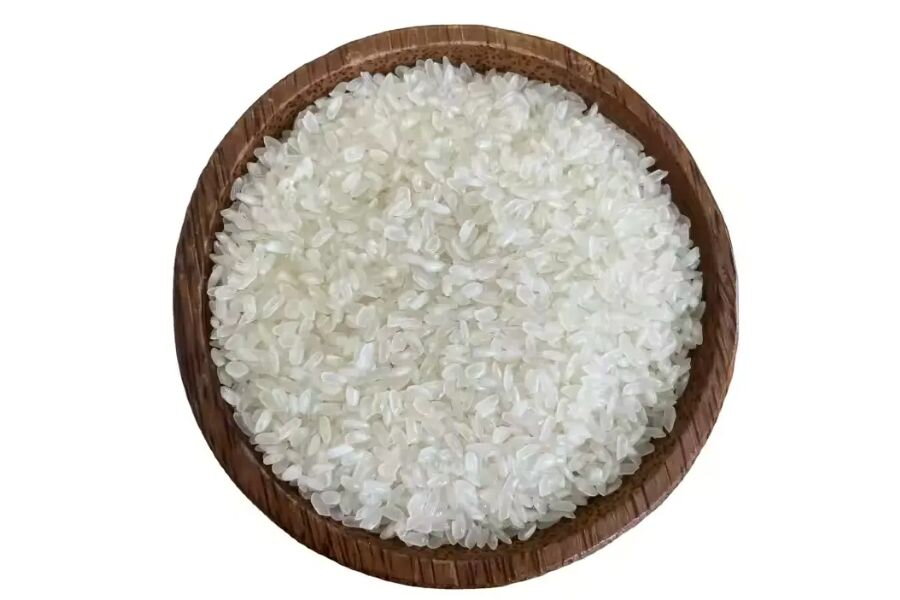
Vietnamese sushi rice is primarily a type of short-grain Japonica rice, favored for its sticky texture and subtle sweetness—qualities essential for making sushi rolls, rice balls, and other rice-based creations. It is usually seasoned with a vinegar-based mixture to achieve the characteristic flavor of sushi rice.
Key Characteristics
-
Short, plump grains: Sushi rice grains are short and rounded, enabling stickiness.
-
Sticky and cohesive: The rice sticks together when cooked, making it ideal for shaping.
-
Neutral, mildly sweet flavor: Provides a perfect canvas to complement fillings and toppings.
-
Glossy appearance: Well-prepared sushi rice has a shiny, appealing look.
-
Seasoned with vinegar: Typically mixed with rice vinegar, sugar, and salt to balance flavor.
The Role of Rice in Vietnamese Sushi Preparation
Vietnamese sushi rice serves as the foundation of sushi dishes, requiring specific qualities:
-
Texture: The rice must hold together without becoming mushy.
-
Flavor: Mild and slightly tangy from vinegar seasoning to enhance taste.
-
Aroma: Neutral to allow fillings like fish, vegetables, and seaweed to shine.
-
Visual appeal: Shiny grains contribute to an attractive presentation.
Vietnamese chefs select Japonica varieties grown domestically or imported from Japan and other countries, ensuring authenticity and quality.
Why Is Vietnamese Sushi Rice Famous Worldwide?
Vietnamese sushi rice’s fame is tied to several factors:
1. Rising Popularity of Sushi
As sushi became globally beloved, demand for authentic sushi rice surged. Vietnamese sushi rice entered the market as a high-quality, accessible option.
2. Local Adaptation and Innovation
Vietnamese culinary creativity led to sushi variations that fuse local flavors with traditional sushi techniques, boosting sushi rice demand.
3. Quality and Consistency
Vietnamese producers maintain rigorous quality controls, ensuring sushi rice meets international standards.
4. Versatility Beyond Sushi
Vietnamese sushi rice is also used in rice balls, poke bowls, and fusion dishes, broadening its appeal.
5. Export Growth
Vietnam’s robust rice export infrastructure supports wide distribution, making sushi rice available worldwide.
Comparison with Other Famous Rice Varieties
Vietnamese sushi rice can be compared with other popular rice types based on characteristics and culinary uses.
Vietnamese Sushi Rice vs. Japanese Sushi Rice
-
Both are Japonica short-grain rice with sticky textures.
-
Japanese sushi rice is traditionally considered the gold standard.
-
Vietnamese sushi rice adapts similar qualities, sometimes using local Japonica strains.
-
Both are seasoned similarly for sushi preparation.
Vietnamese Sushi Rice vs. Jasmine Rice
-
Jasmine rice is long-grain, fragrant, and less sticky.
-
Sushi rice is short-grain and sticky, unsuitable for dishes requiring grain separation.
-
Jasmine rice is used for steamed rice and fried rice, not sushi.
Vietnamese Sushi Rice vs. Basmati Rice
-
Basmati is long, dry, and aromatic with a nutty flavor.
-
Sushi rice is sticky, short-grained, and mildly sweet.
-
Basmati rice is unsuitable for sushi.
Vietnamese Sushi Rice vs. Short Grain Brown Rice
-
Brown rice retains bran, is chewier, and has a nutty flavor.
-
Sushi rice is polished, sticky, and smooth.
-
Brown rice is healthier but less traditional for sushi.
Culinary Applications of Vietnamese Sushi Rice
Beyond traditional sushi, Vietnamese sushi rice is used in:
-
Maki rolls and nigiri: Classic sushi preparations.
-
Onigiri and rice balls: Shaped and seasoned snacks.
-
Sushi bowls: Deconstructed sushi with rice, fish, and toppings.
-
Fusion dishes: Combining Vietnamese ingredients with sushi techniques.
Cooking and Preparing Vietnamese Sushi Rice
-
Rinse rice thoroughly to remove excess starch.
-
Use precise water ratios for consistent texture.
-
Cook rice using rice cooker or pot, avoiding stirring.
-
Season with rice vinegar, sugar, and salt while warm.
-
Cool rice to room temperature before use.
Conclusion
Vietnamese sushi rice is a vital component of the global sushi phenomenon, celebrated for its sticky texture, mild flavor, and versatility. Its integration into Vietnamese cuisine and international markets has made it famous worldwide, offering chefs and food lovers a reliable and delicious foundation for sushi and related dishes.
Learn more: Sushi Rice
Xem thêm: https://foods.be5.com.vn/gao-thom-st25/
TVQuản trị viênQuản trị viên
Xin chào quý khách. Quý khách hãy để lại bình luận, chúng tôi sẽ phản hồi sớm